
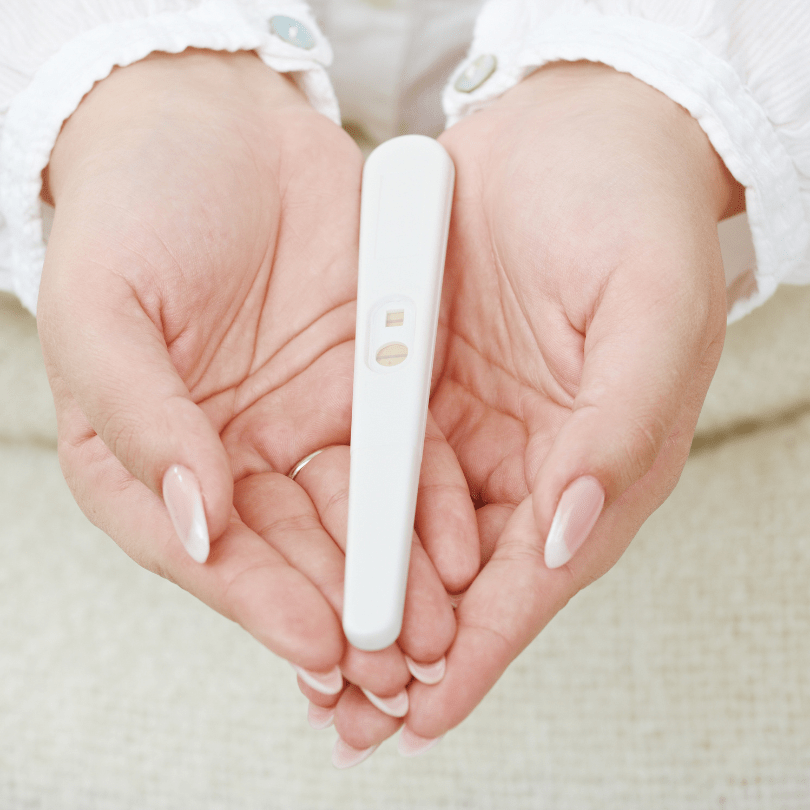
Pregnancy is a miraculous journey that transforms a woman’s body in countless ways, both inside and out. As expectant mothers, we embark on this extraordinary adventure with a lot of excitement…and a lot of anxiety! If you’re anything like I was during pregnancy, you’re finding yourself navigating a myriad of changes, questions, and concerns, especially when it comes to skincare and which products are safe for pregnancy. It’s also a time when taking care of oneself (and someone else!) becomes paramount, making the world of skincare all the more overwhelming.
To shed more light on this essential aspect of pregnancy, I invite you to join me, an esthetician and skincare expert who’s pregnant and understands the challenges firsthand. In this guide to the most important skincare ingredients to avoid during pregnancy, we’ll talk about which skincare ingredients are proven to be unsafe and why, so you can set you (and baby!) up for success.
Which skincare ingredients are unsafe for pregnancy?
Not all skincare products are safe for pregnancy, and as innocent as some skincare ingredients and products may seem, they could potentially harm the baby or disrupt hormonal balance causing problems for the mother as well. Let’s explore what skincare products to avoid for a safe and glowing pregnancy.

Retinoids (Retinol, Tretinoin, Adapalene)
First on the list are retinoids, commonly found in serums and creams. The most popular retinoids you’ve probably heard of are retinol, the over-the-counter version of this ingredient, and tretinoin, a prescription-grade ingredient available through a dermatologist. Retinoids are a powerhouse ingredient that help just about every skin concern, including acne, fine lines and wrinkles, and hyperpigmentation by increasing the turnover of skin cells and boosting collagen.
Retinoids aren’t inherently a bad thing–they actually play a crucial role in fetal development. The risk, however, comes with their overuse during pregnancy which can lead to serious congenital abnormalities.
Although retinoids work wonders for fine lines and wrinkles, they should be avoided in your pregnancy skincare routine due to the risk of birth defects. Don’t worry, you can still keep your skin radiant and bouncy without the retinoids! You can check out my list here for pregnancy-safe skincare products and alternatives to replace your retinol serums while you’re pregnant and breastfeeding.
Salicylic Acid
Next on the list of skincare ingredients that are unsafe for pregnancy is salicylic acid. This one’s a bit tricky. Some OBGYNs may give you the green light to use this one in small amounts or low percentages, while others will tell you to avoid it completely as high concentrations may pose a risk during pregnancy and it’s not always easy to tell how much salicylic acid a particular product contains.
Salicylic acid is a BHA, or beta-hydroxy acid, and is an effective oil-soluble exfoliant that excels at getting into clogged pores, pimples, and cystic acne to break up oil buildup and acne-causing bacteria. Salicylic acid is often found in skincare products such as cleansers, toners, and even serums. If you’re playing it safe, you can simply swap your salicylic acid-based products out for ones that contain AHA’s, or alpha hydroxy acids, their gentler counterpart that also exfoliates the skin and helps break up acne.
Benzoyl Peroxide (kind of)
You may remember using benzoyl peroxide as a teen in those harsh cleansers (Panoxyl, I’m looking at you!) that bleached your towels and dried your skin out but did a bang-up job at helping to get rid of your acne. These days, benzoyl peroxide skincare products are still around, but in gentler formulas as they’re incredibly effective at getting rid of all types of acne including clogged pores, whiteheads, blackheads, and even cystic acne.
As we discussed with salicylic acid above, benzoyl peroxide is a tricky ingredient when it comes to whether or not it’s a safe skincare ingredient for pregnancy. Although its use is generally considered safe, high concentrations of benzoyl peroxide should be avoided during pregnancy, so it’s wise to consult with your healthcare provider for personalized advice depending on which skincare products you’re using.
My OBGYN has no problem with benzoyl peroxide cleansers like the Differin 5% Benzoyl Peroxide Daily Cleanser in my pregnancy skincare routine as they don’t come in concentrations higher than 2-5% which is generally considered safe. My advice to soon-to-be-mothers who use benzoyl peroxide in their everyday skincare routine is to discontinue use until you’ve established care with an OBGYN and gotten their opinion. If you find you can’t go without your benzoyl peroxide cleanser, you can maintain clear skin with pregnancy-safe alternatives that help bust up breakouts just as much with a sulfur-based cleanser.
Hydroquinone
Hydroquinone is a powerful skin-lightening ingredient commonly found in creams that’s used to treat hyperpigmentation, dark spots, age spots, and uneven skin tone. Hydroquinone works by inhibiting the production of melanin, the pigment responsible for color in our skin, hair, and nails. While the topical application of hydroquinone is generally considered safe for many individuals, its safety in skincare during pregnancy remains uncertain. There are no definitive studies that indicate hydroquinone is unsafe to use during pregnancy, but the skin is a permeable barrier, and there is a possibility that hydroquinone can be absorbed into the bloodstream, raising concerns about its impact on the developing fetus.
To be fair, hydroquinone requires caution while using it even when not pregnant as it’s a skincare ingredient that has to be cycled, meaning you can only use it for so long before you have to stop. Luckily there are a wide variety of skincare ingredients that you can use instead such as antioxidants, vitamin C, and other pigment inhibitors that are perfectly safe for mother and baby that treat hyperpigmentation.
Arbutin
Arbutin, also known as alpha arbutin, is similar to hydroquinone in that it is a pigment inhibitor that suppresses the production of melanin that contributes to hyperpigmentation. Arbutin is often found in skincare products such as serums, toners, essences, moisturizers, and creams. While it’s a gentle and non-invasive alternative to hydroquinone that’s a great ingredient for alleviating hyperpigmentation, it does break down to hydroquinone when applied to the skin, making arbutin unsafe for pregnancy.
TCA (Trichloroacetic acid)
A lesser-known ingredient and probably something you’re not using at home, Trichloroacetic acid (TCA) is used in medium to deep chemical peels at medical spas by estheticians and skincare professionals. TCA peels are renowned for their skin-renewing properties as they have the ability to penetrate deep into the dermis and increase collagen production and initiate skin cell renewal. They’re a popular choice for addressing various skin concerns including acne scars, uneven skin tone including PIH (post-inflammatory hyperpigmentation) and PIE (post-inflammatory erythema), wrinkles and fine lines, and other concerns that over-the-counter skin care products can’t address.
When it comes to your pregnancy skincare routine, however, it’s important to avoid TCA peels as they are unsafe for pregnancy since they penetrate so deeply into the skin layers to promote cell turnover and collagen production. While this sounds great, the risks associated with TCA peels during pregnancy outweigh the potential benefits. Since TCA is so readily absorbed through the skin, it poses a concern for the developing fetus, which is why you should avoid TCA peels if you’re pregnant.
Chemical peels aren’t necessary for a well-rounded skincare routine (although they sure can help!) but if you find yourself with dull skin, hyperpigmentation, or excessive breakouts during pregnancy there are plenty of gentler chemical peels that are safe for pregnancy such as mandelic acid and lactic acid peels.
Tazorac and Accutane (oral retinoids)
Tazorac (tazarotene) and Accutane (isotretinoin) are powerful prescription medications commonly prescribed by doctors for severe acne and certain skin conditions. However, we have studies showing that they come with significant risks, especially during pregnancy. Tazorac contains the active ingredient tazarotene, which is a topical synthetic retinoid and Accutane is an oral retinoid, both of which are derivatives of vitamin A. Remember, retinoids play a crucial role in fetal development, but their excessive intake during pregnancy can lead to serious congenital abnormalities.
Tazorac and Accutane are known to cause birth defects, making them strictly contraindicated for use during pregnancy. Their side effects are so serious in fact that women of childbearing age are often required to use contraception and undergo regular pregnancy tests when on these medications. If you’re on either of these medications and find out you’re pregnant, it’s crucial to discontinue their use regardless of if you’ve spoken with your doctor. It’s also advised to stop their use well in advance of planning pregnancy, as their potential risks to the unborn child are too significant to ignore.
What about fragrances and chemical sunscreens? Are they safe for pregnancy?
You may have noticed I didn’t include some ingredients and products on this list that many other lists will mention such as chemical sunscreen and fragrances. This isn’t because they’re not worth avoiding if you are able to, but rather, they have been around and used during pregnancy for decades and the medical opinions behind avoiding them are incredibly varied. I’ll go into my thoughts and the research on the use of fragrances, chemical sunscreens, and more in a future article. In the meantime, ask your OBGYN what they recommend.
As overwhelming as pregnancy is, navigating pregnancy and skincare can be a breeze with a few mindful swaps. And once you understand what skincare ingredients to avoid and which are safe for pregnancy, you’re golden! When in doubt, always consult your OBGYN before introducing new products into your routine. We all deserve to embrace motherhood with confidence, and knowing you’re making choices that are both safe and nurturing for you and your little one is the first step!
Disclaimer: The content of this website is not intended to be a substitute for professional medical advice, diagnosis or treatment. Always seek the advice of your physician with any questions regarding a medical condition.
All content is copyright © 2019-2023 Rebecca Claire Beauty. All rights reserved. Please do not use, take, copy or republish images or content without written permission. Rebecca Claire Beauty utilizes some affiliate links which may generate a small commission from clicks that result in a purchase.

 Rebecca Claire Beauty
Leave a comment